
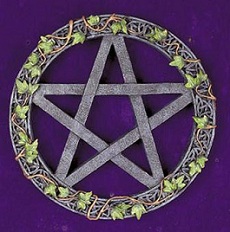
Witch-Cult Explained: History, Meaning, and Its Connection to Modern Wicca
For centuries, the term witch-cult has been surrounded by fear, misunderstanding, and myth. Many people today encounter the concept while exploring Paganism, Wicca, or spiritual practices involving ritual magic. Others search for spell casters without fully understanding the religious and ethical framework behind these traditions.
This article explains the witch-cult from a modern Pagan and Wiccan perspective, separating historical fact from myth, and clarifying how magic is actually viewed within Wicca today.
The Witch Hunts and the Birth of Fear
Between the 16th and 17th centuries, Europe and colonial America experienced a period of extreme social panic known as the witch hunts. Historians estimate that between 40,000 and 100,000 people were executed after being accused of witchcraft.
Most victims were not witches in any religious sense. They were often:
-
Healers and midwives
-
Folk practitioners
-
Social outsiders
-
Women accused during times of crisis
Modern scholarship agrees that these executions resulted from religious extremism, political pressure, and mass hysteria. There is no evidence that an organized cult of evil witches existed during this period.
What the Witch-Cult Really Means
The witch-cult does not refer to devil worship or harmful magic. Instead, it describes ritual-based spiritual practices rooted in pre-Christian Pagan traditions.
Common elements included:
-
Honoring nature cycles
-
Seasonal festivals
-
Fertility symbolism
-
Rituals tied to the moon and harvests
These traditions existed long before Christianity and were later demonized by religious authorities. Over time, fear-based narratives replaced understanding, and witches were portrayed as servants of evil.
The Witch-Cult Hypothesis and Margaret Murray
In the early 20th century, British historian Margaret Murray introduced the witch-cult hypothesis. She proposed that medieval witch trials targeted followers of an ancient Pagan religion that had survived underground across Europe.
According to Murray:
-
The religion centered on fertility and nature
-
Ritual leaders were labeled as witches
-
Pagan symbols were reinterpreted as demonic
While modern historians criticize her conclusions, her work deeply influenced Pagan revival movements and reshaped how witchcraft was perceived in the 20th century.
The Rise of Modern Wicca and Gerald Gardner
In 1954, Gerald Gardner published Witchcraft Today, presenting witchcraft as a surviving spiritual tradition rather than superstition.
Gardner claimed initiation into a group called the New Forest Coven, which he believed preserved ancient practices. He named members such as Old Dorothy and Dafo as key figures.
Although historians debate the historical continuity of these covens, Gardner’s teachings formed the foundation of modern Wicca, one of the most influential Pagan religions today.
Wicca, Magic, and Ethics
For those curious about spell work, it is important to understand how Wicca views magic.
In Wicca:
-
Magic is spiritual, symbolic, and intentional
-
Rituals focus on harmony, healing, and balance
-
Ethics are central, not optional
Most Wiccans follow the Wiccan Rede, which teaches:
An it harm none, do what ye will.
This principle discourages manipulation, coercion, and harmful spellcasting.
Do Wiccans Use Spells?
Yes, but spells in Wicca are not shortcuts or supernatural attacks. They are ritual acts meant to align intention, energy, and symbolism.
Common spell purposes include:
-
Protection
-
Emotional healing
-
Self-growth
-
Spiritual clarity
Authentic Wiccan practice emphasizes personal responsibility rather than dependency on external spell casters.
Spell Casters and Spiritual Caution
Many people searching for spell casters are experiencing emotional distress, loss, or uncertainty. Within Wiccan ethics, this is treated with care.
Traditional Wiccan teachings advise:
-
Avoid anyone promising guaranteed results
-
Avoid spells meant to control others
-
Avoid fear-based spiritual marketing
Magic is not a replacement for personal agency, healing, or professional help. Responsible practitioners encourage self-empowerment over dependence.
Pagan Influences and Global Parallels
Wicca draws inspiration from:
-
European folk traditions
-
Pre-Christian Paganism
-
Ceremonial magic
-
Victorian occult movements
Some symbolic parallels exist with Eastern religions like Hinduism and Buddhism, especially regarding cycles and balance. However, Wicca developed independently as a Western Pagan religion.
Modern Understanding of the Witch-Cult
Today, scholars and practitioners agree that the witch-cult represents humanity’s historical relationship with ritual, symbolism, and nature spirituality, not evil or criminal behavior.
Wicca is now recognized as a legitimate religion in many countries and is protected under religious freedom laws.
Frequently Asked Questions (People Also Ask Optimization)
What is the witch-cult hypothesis?
It is a theory proposed by Margaret Murray suggesting medieval witch trials targeted followers of an ancient Pagan religion.
Is Wicca connected to historical witch hunts?
Indirectly. Wicca draws inspiration from Pagan traditions that were misunderstood during witch hunts, but it is a modern religion.
Are witches evil?
No. Modern historians agree witches were victims of social fear, not perpetrators of harm.
Is spellcasting dangerous?
When practiced ethically, ritual magic focuses on intention and symbolism. Harmful practices contradict Wiccan ethics.